Shutting down a chemical plant is rarely the hard part. Making the site ready for its next use is where the real work begins.
For the former Vertellus castor oil facility in Bayonne, New Jersey, that meant removing decades of industrial infrastructure while safely managing residual process materials, environmental requirements, and a complex dismantling effort. The objective was to prepare the property for permitting, resale, and redevelopment.
Project Overview
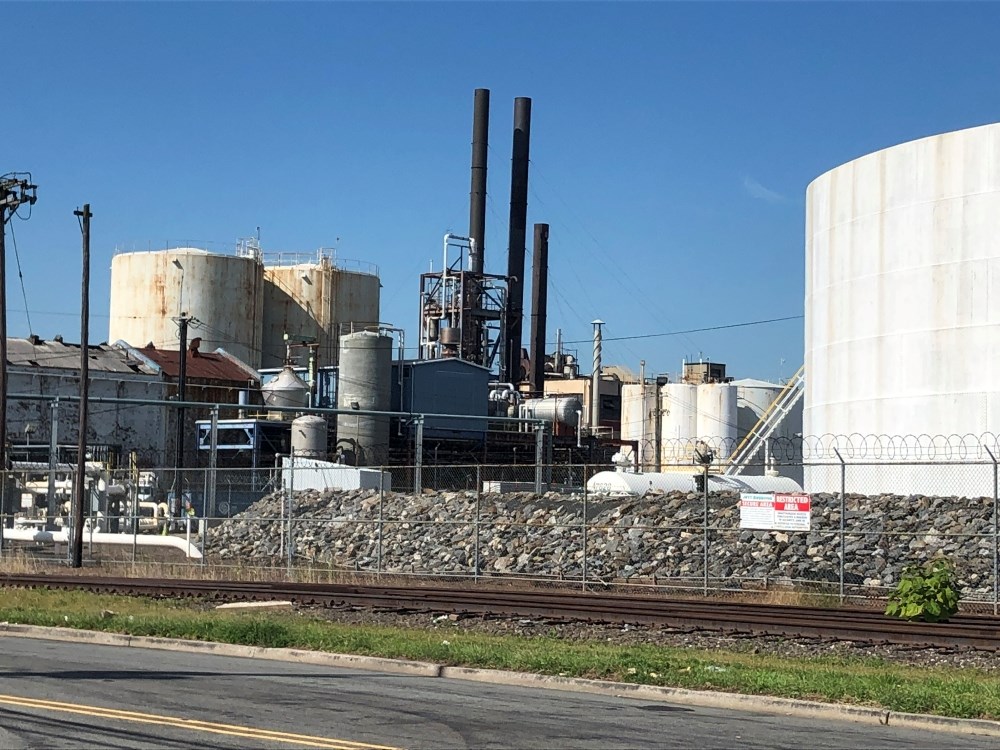
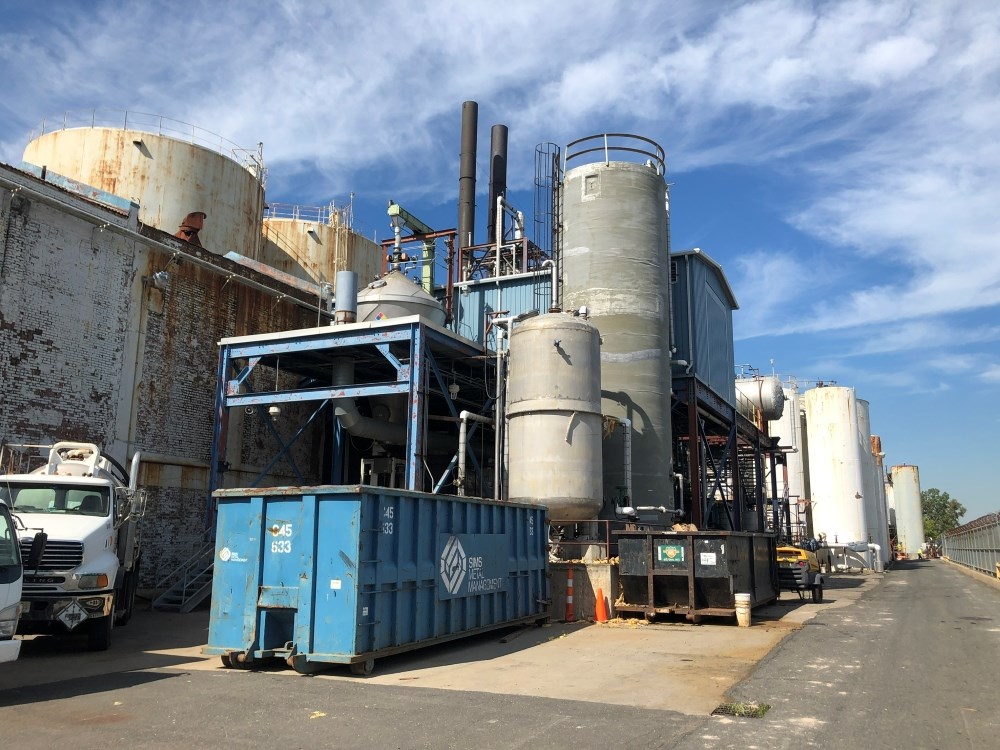
The project combined demolition, environmental preparation, and infrastructure removal across nearly every major outdoor process area on the site.
The scope included:
- Two process buildings
- A sebacic acid processing area
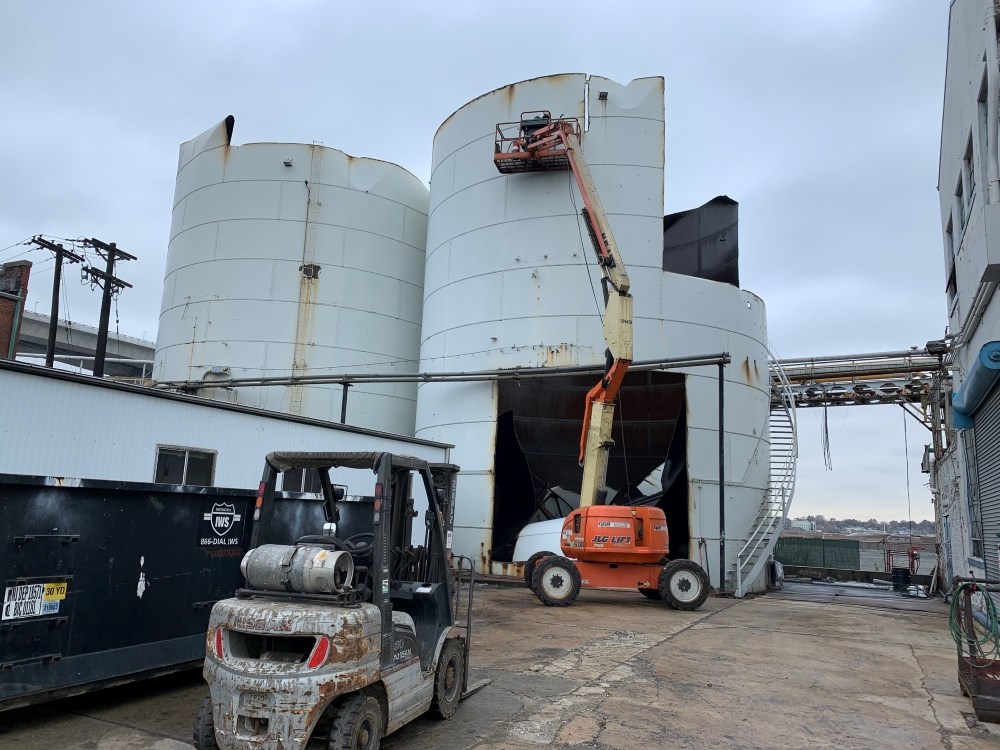
- Four storage tanks exceeding 250,000 gallons each, located near live power lines
- Two outdoor tank farms containing more than 90 storage tanks
- Thousands of linear feet of process piping
- Three boiler stacks approximately 150 feet tall
The work also included draining process systems, cleaning tanks and equipment, asbestos abatement, dismantling, and demolition.
Project Challenges
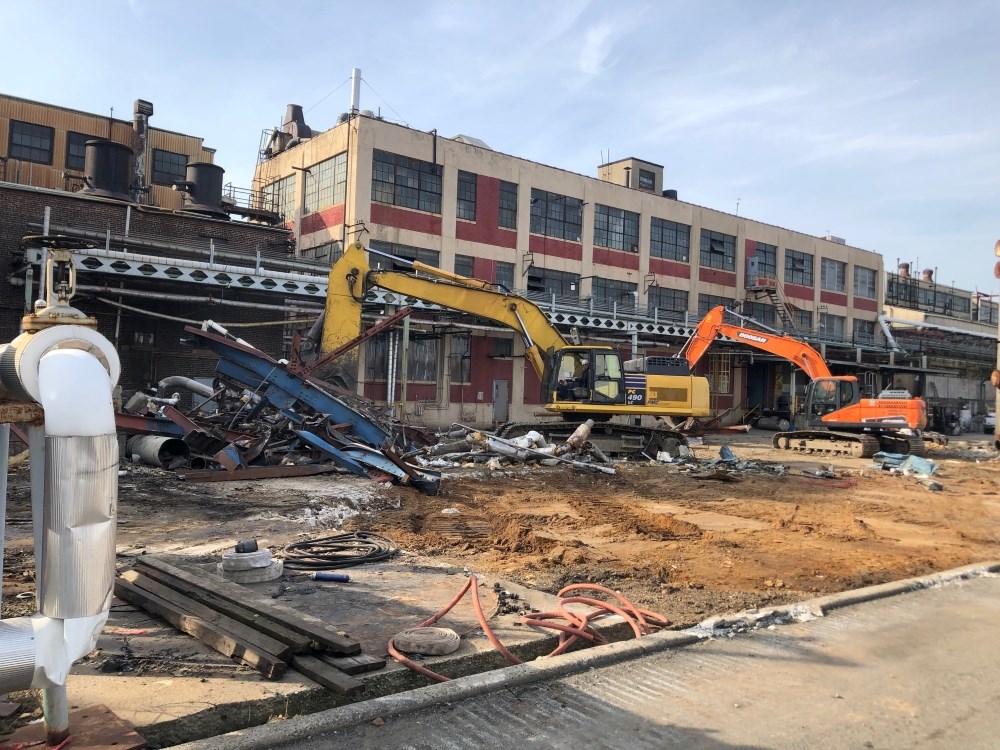
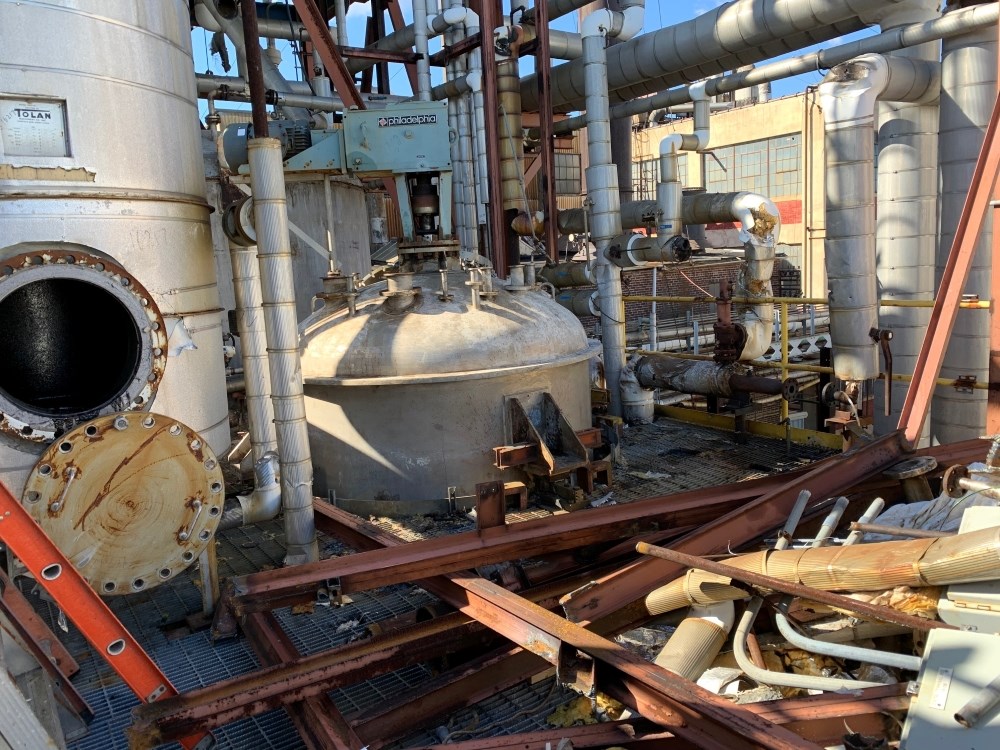
Although the plant owner had begun draining and cleaning the facility after shutdown, substantial quantities of product and residual materials remained inside tanks, piping, and process equipment.
The shutdown created another practical challenge. The operating personnel who normally managed these systems were no longer available to complete the work. Before dismantling could begin, the remaining materials had to be identified, removed, contained, and prepared for disposal.
Several of the largest storage tanks were positioned beneath live power lines, requiring careful planning throughout the dismantling process. The waterfront location also meant material handling and demolition activities had to be aligned with the site's existing stormwater control plan.
Dismantling Approach
Before demolition could begin, every vessel was opened and inspected. The contents were identified, quantities were assessed, and a removal plan was developed for each tank.
Rather than applying a single dismantling method across the site, each vessel was evaluated individually. The condition of the remaining materials determined how the work would proceed.
Where liquid product could be recovered, vacuum trucks removed the remaining material before cleaning was performed. Not every tank could be emptied conventionally. Some contained heavy residual heels that vacuum trucks could not remove. Those tanks were cleaned from the top down before being cut back to the level of the remaining material.
Depending on the condition of the contents, the remaining tank sections were either disposed of with the heels in place or the residual material was removed before the steel was recovered for scrap.
This staged approach allowed dismantling to continue while safely managing the materials that remained inside the equipment.
Safety, Environmental Compliance, and Logistics
Permitting, utility isolation, equipment mobilization, and environmental planning all had to be completed before field work could begin.
Phoenix obtained approximately 90 permits for the removal of the outdoor tanks and two demolition permits for the buildings. The site owner completed the required sewer, water, and electrical disconnects before demolition activities started.
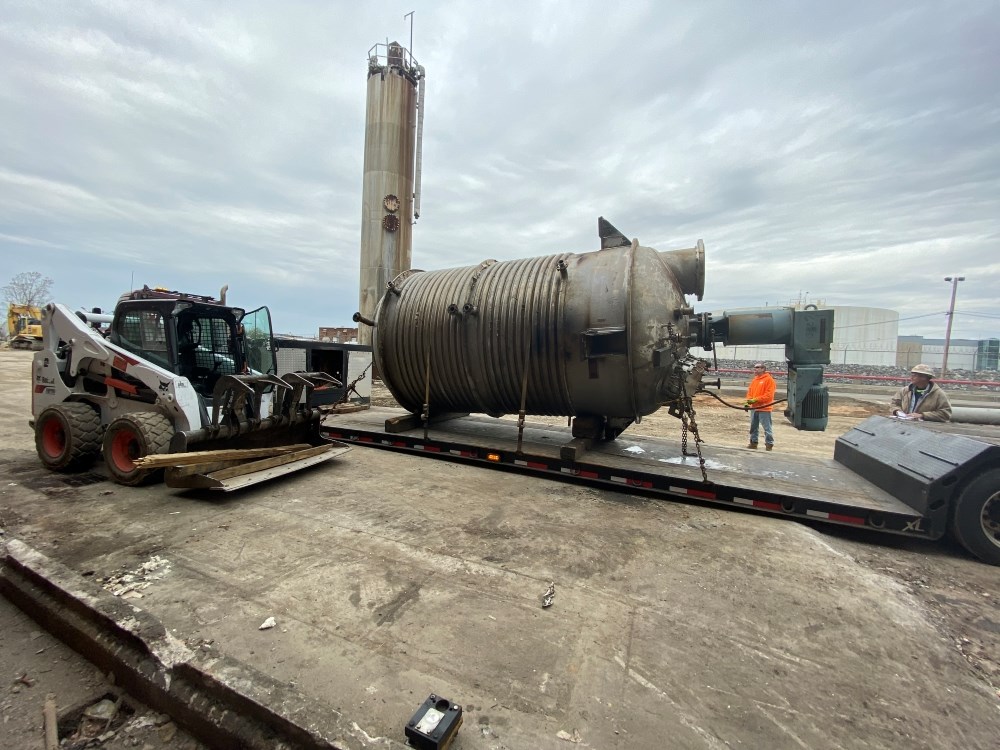
Excavators equipped with grapples and shears, cranes, bobcats, and lulls were mobilized to support the dismantling effort.
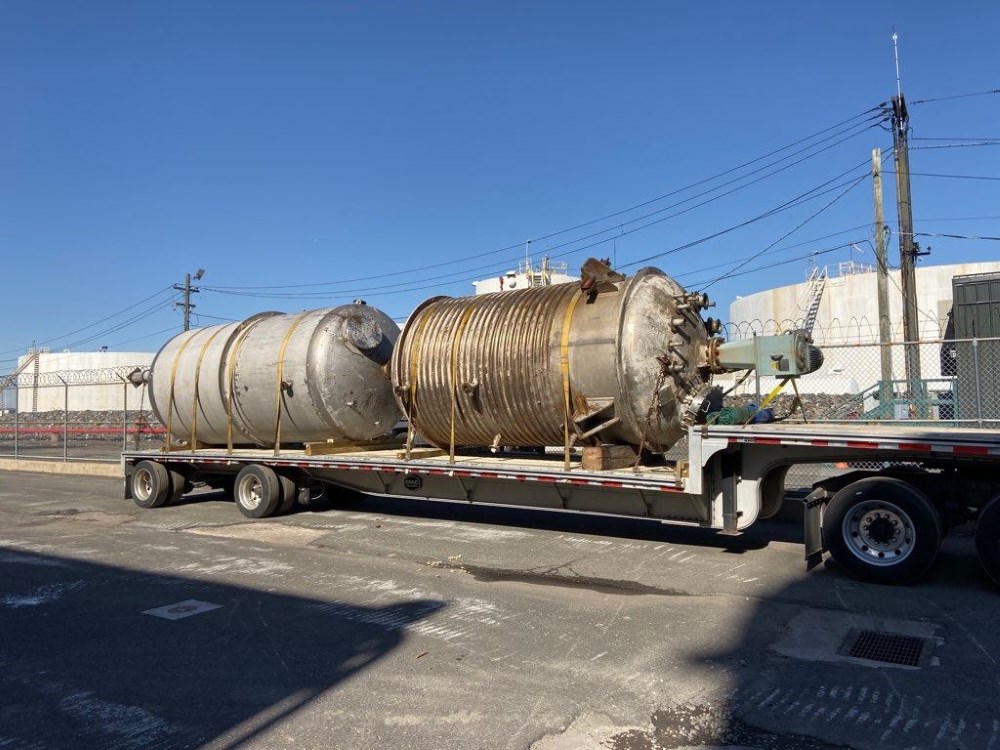
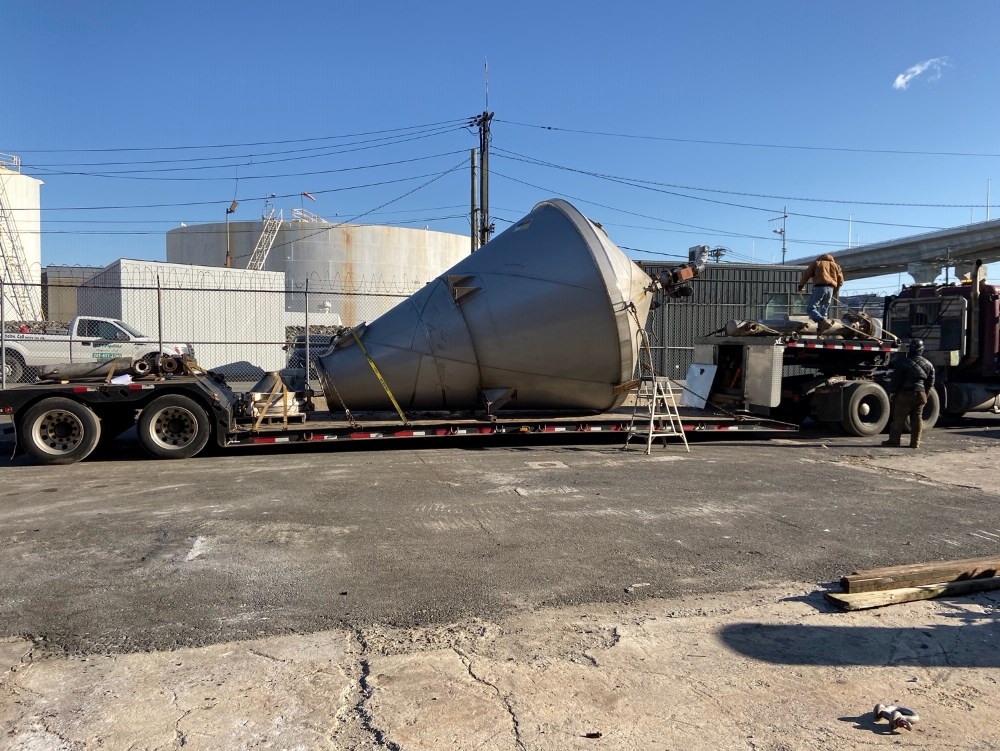
Throughout the project, Phoenix worked with Vertellus to significantly reduce overall project costs by recovering value where practical. Scrap metal was recycled, and dozens of pieces of process equipment were resold rather than demolished.
The work was completed by a 10-person crew in approximately four months.
Preparing the Site for Redevelopment
Industrial demolition involves much more than taking structures down. Remaining process materials, environmental controls, permitting, and work sequencing all influence how quickly a property can move to its next phase.
By the end of the project, the outdoor process areas, storage tanks, buildings, piping, and boiler stacks had been removed. The site was left in a condition that allowed the owner to move forward with permitting, resale, and redevelopment.