Executive Summary
A well-known beer producer decided to close its Los Angeles brewing operation. The company leased the building but owned the brewing, packaging, utility, and power-generation equipment installed at the facility.
Under the lease agreement, the brewery was required to remove its assets and return the property to its original condition. This was a significant challenge because the site contained large stainless-steel tanks, packaging lines and utility systems that could not be removed through the existing building access points.
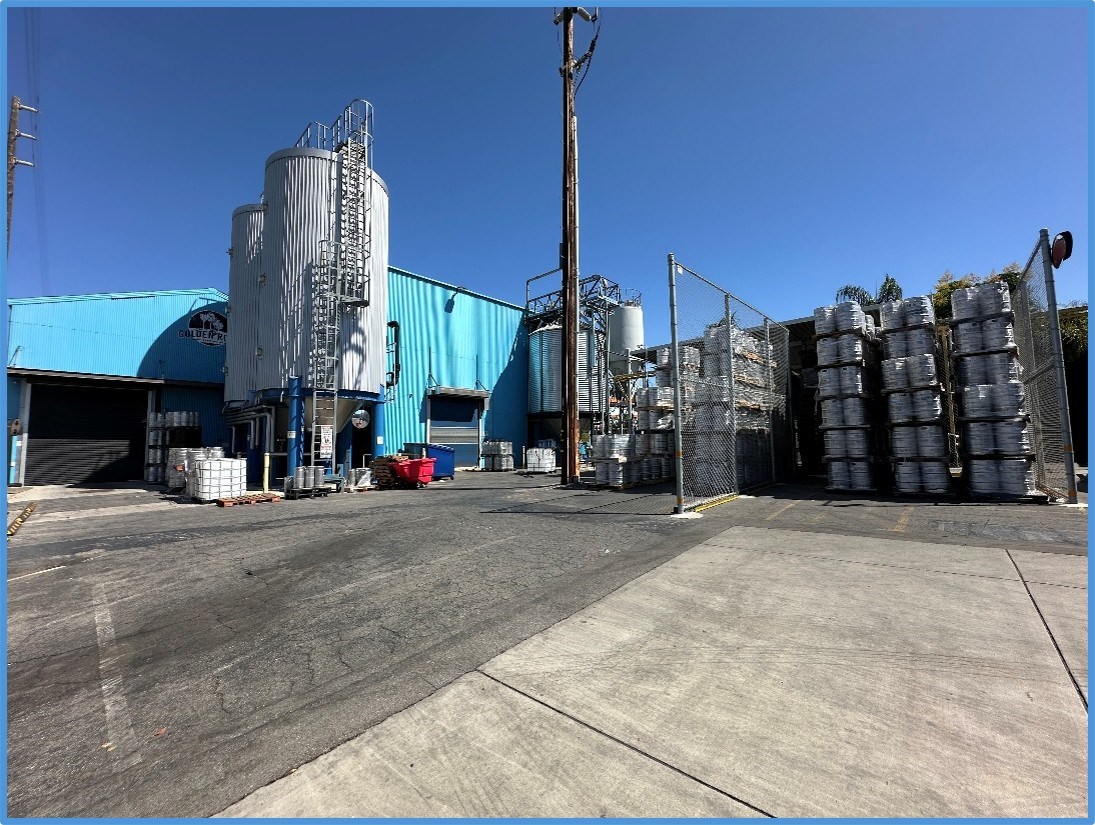
Phoenix Equipment developed and executed a complete decommissioning, asset-recovery, removal, and restoration plan. The project included temporarily removing an approximately 45-foot-high exterior wall, extracting the largest tanks, repairing the wall and floors, removing exterior equipment shelters, and returning the building in broom-clean, rentable condition.
By selling and preserving reusable equipment, Phoenix recovered substantially more than scrap value and improved the economics of the entire project.
The Challenge
The facility contained substantial brewing and beverage-production equipment, including food-grade, cone-bottom, jacketed stainless-steel tanks manufactured by Ziemann Bauer GmbH:
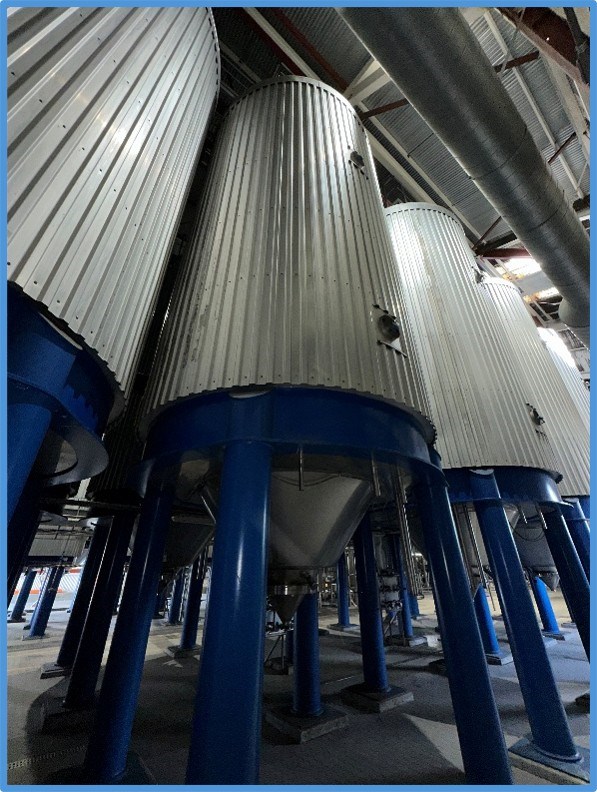
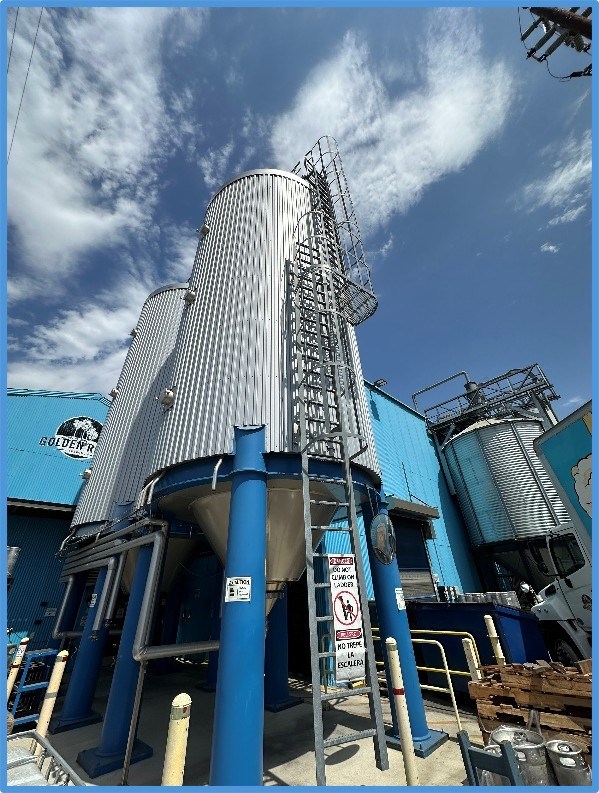
- Thirteen 9,300-gallon, or 300-barrel, tanks
- Six 6,200-gallon, or 200-barrel, tanks
- Two 27,000-gallon, or approximately 870-barrel, tanks
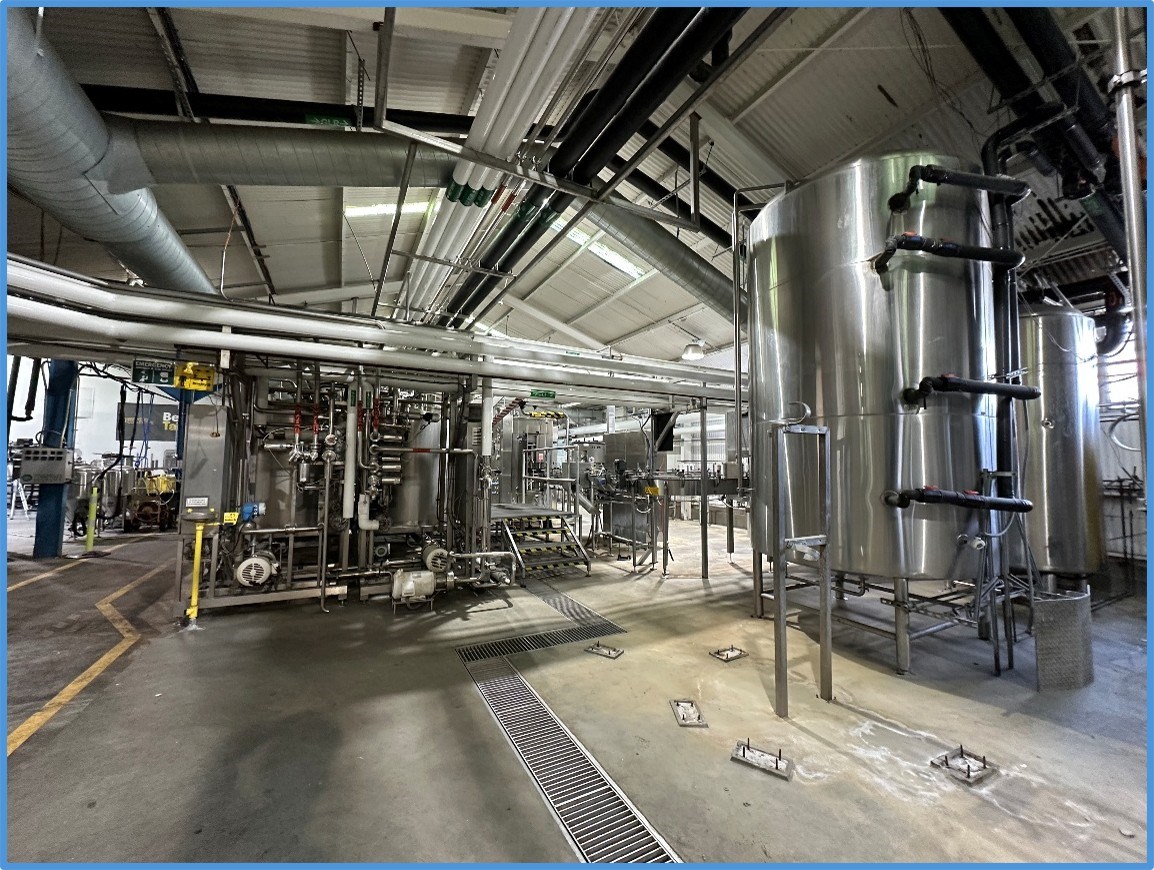
Additional equipment included:
- One CFT Master RS/SC canning line
- One KHS keg line
- One Pro System Model NAC-55-G glycol chiller
- One Capstone 190-kilowatt microturbine
- Supporting brewing, packaging, refrigeration, utility, and production equipment
Many of the tanks were too large to pass through the building’s doors. The brewery had also installed equipment shelters and other structures along the rear alley that needed to be removed.
The project required coordinated equipment sales, rigging, selective demolition, heavy lifting, transportation, structural repairs, and final site cleanup.
The Opportunity
Phoenix determined that much of the equipment had significantly more value as operating machinery than as stainless-steel scrap. The tanks, packaging lines, chiller, microturbine, and supporting equipment could be reused by breweries, beverage companies, food processors, and other industrial operators.
Instead of treating the facility as a standard demolition project, Phoenix created an asset-recovery strategy designed to maximize resale value, reduce waste, and offset removal and restoration costs.
Phoenix Equipment’s Solution
Phoenix managed the project from asset evaluation through final building turnover. The work began with cataloging and evaluating the brewery equipment, identifying assets with viable secondary-market value, and marketing those assets to qualified buyers. Phoenix then coordinated equipment disconnection, rigging plans for the oversized tanks, machinery removal, transportation, and storage of selected assets that were retained for future sale.
The physical removal scope extended beyond the production equipment itself. Phoenix temporarily opened the exterior wall to remove the largest tanks, dismantled exterior shelters and other tenant-installed structures, and directed unusable or obsolete material to scrap. Once the equipment was out, Phoenix repaired affected wall and floor areas, removed remaining debris, and returned the property in broom-clean condition.
By managing equipment disposition, rigging, removal, selective demolition, logistics, and building restoration under one project, Phoenix gave the brewing company a single point of responsibility for completing the facility closure and meeting its lease-restoration obligations.
Oversized Tank Removal
The largest challenge was removing the stainless-steel tanks without damaging the equipment or the building. Because the tanks could not fit through the existing access points, Phoenix temporarily removed an approximately 45-foot-high section of the plant’s south-facing exterior wall.
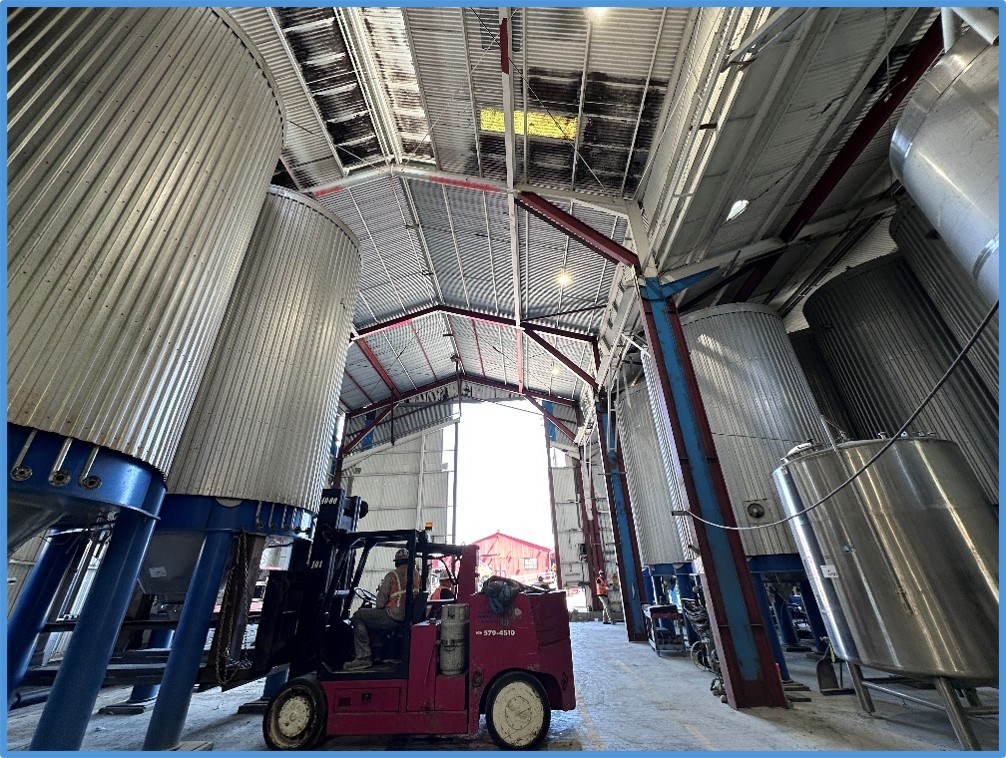
The tanks were disconnected, rigged, extracted through the opening, and loaded for transportation. The removal sequence was carefully coordinated to protect the equipment and maintain a safe worksite.
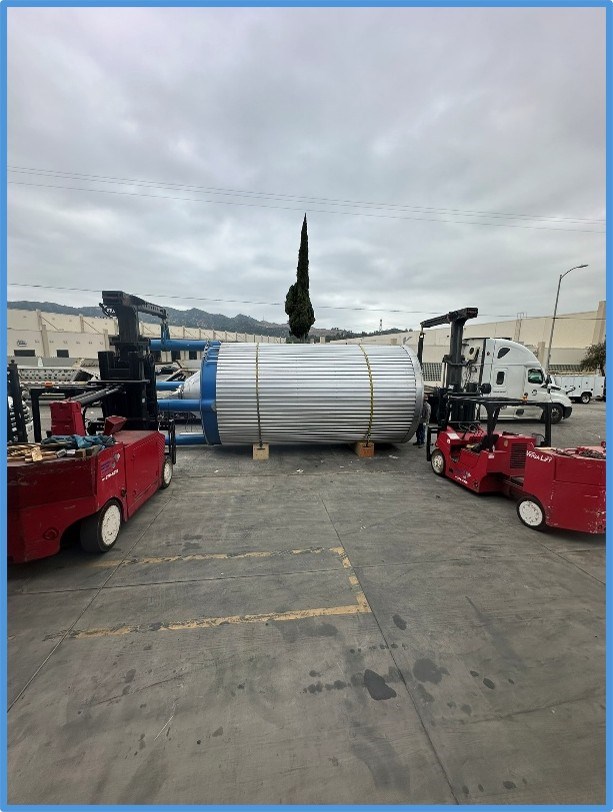
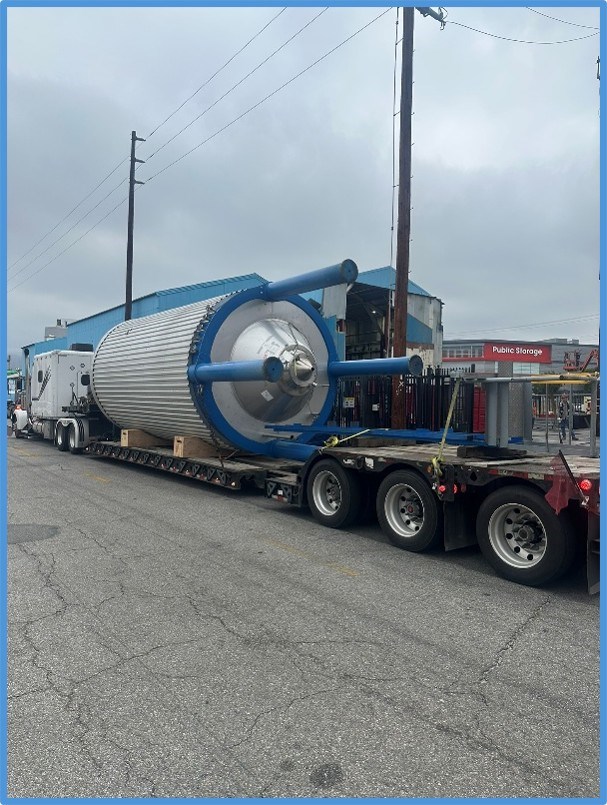
 After the tanks were removed, Phoenix repaired and reconstructed the exterior wall. This solution preserved the tanks for continued use rather than cutting them apart for scrap.
Building and Site Restoration
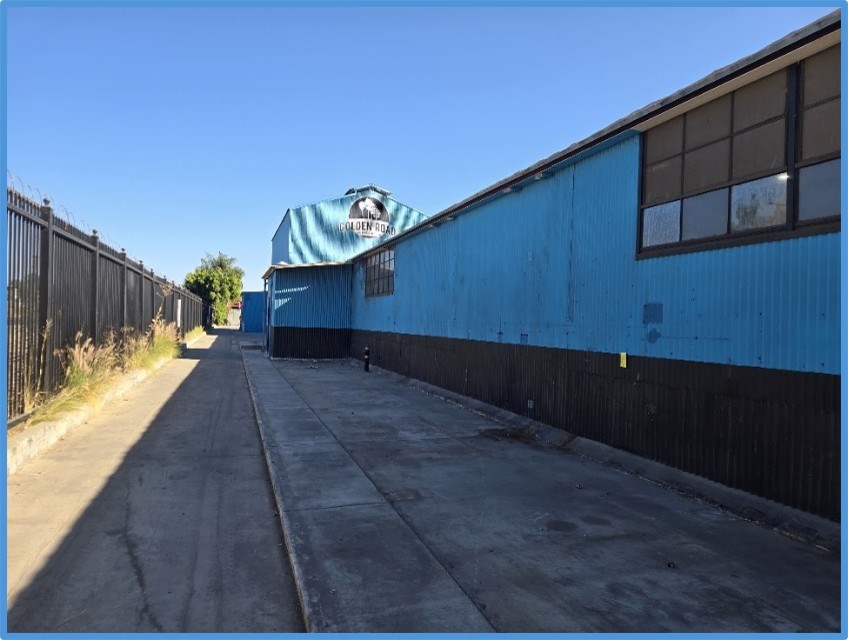
Returning the property to its original condition was an essential part of the project. Phoenix removed brewing equipment, packaging systems, utility infrastructure, power-generation equipment, piping, supports, and other tenant-owned installations. The team also dismantled and removed the shelter-style structures that had been added along the rear alley.
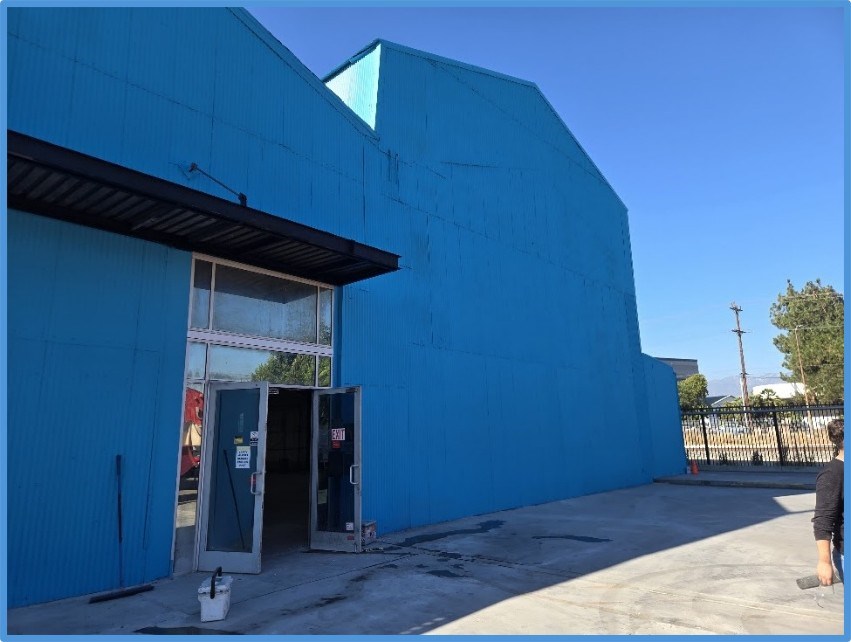
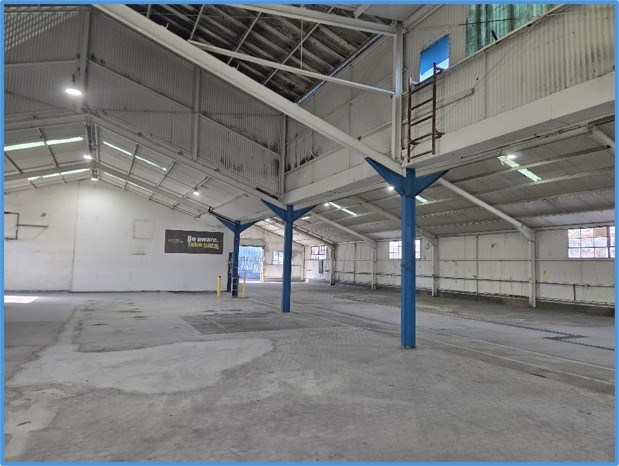
Following equipment removal, Phoenix repaired affected floor areas, restored the exterior wall, removed debris, and left the facility gutted and broom clean. The completed work returned the building to rentable warehouse and industrial condition.


Maximizing Equipment Recovery
A traditional demolition contractor may have treated the brewery primarily as a scrap project. Phoenix evaluated each asset based on its value in the secondary equipment market.
Most usable equipment was preserved and marketed for resale. Some assets were sold during the project, while other high-value items were moved to Phoenix’s laydown yard for storage and future sale.
Only equipment that could not be economically reused was scrapped. This strategy generated significantly more value than scrap recovery alone, reduced waste, and extended the useful life of quality industrial equipment.
Results
The brewing company fulfilled its lease-restoration obligations while recovering value from equipment that otherwise could have been reduced to scrap. Asset sales helped offset decommissioning costs, and reusable tanks, packaging systems, utility equipment, and other machinery were preserved for continued industrial use.
The property owner received the building back in rentable condition. Tenant-installed structures were removed, affected walls and floors were repaired, debris was cleared, and the facility was left gutted and broom clean.
Equipment buyers gained access to immediately available brewing and food-processing machinery that could be redeployed without waiting for comparable new equipment to be manufactured.
Project Highlights
- Facility: Former Brewery
- Location: Los Angeles, California
- Project Type: Brewery Decommissioning, Asset Recovery and Building Restoration
- Major Tankage: 21 Ziemann Bauer Stainless Steel Brewing Tanks
- Largest Tanks: 2 × 27,000-Gallon / Approximately 870 BBL Tanks
- Packaging Equipment: CFT Master RS/SC Canning Line and KHS Keg Line
- Utility Equipment: Pro System NAC-55-G Glycol Chiller and 190 kW Capstone Microturbine
- Phoenix Scope: Asset Evaluation, Equipment Marketing, Rigging, Removal, Transportation, Storage, Selective Demolition, Structural Restoration and Final Cleanup
- Major Removal Challenge: Oversized Tanks Could Not Pass Through Existing Building Access Points
- Removal Method: Approximately 45-Foot-High Exterior Wall Temporarily Opened for Tank Extraction
- Building Restoration: Exterior Wall Reconstructed, Floor Areas Repaired and Tenant-Installed Structures Removed
- Asset Recovery: Reusable Equipment Sold or Preserved for Future Remarketing
- Final Condition: Gutted, Broom Clean and Returned in Rentable Condition
- Owner Outcome: Lease-Restoration Obligations Fulfilled
Conclusion
This project demonstrates Phoenix Equipment’s ability to manage complex facility closures while recovering maximum value from industrial assets.
The brewing company satisfied its lease obligations without relying on a costly scrap-only solution. The property owner recovered a clean, rentable building, and buyers gained access to quality brewing and beverage-production equipment.
By combining equipment sales, rigging, selective demolition, logistics, structural restoration, and site cleanup, Phoenix transformed a difficult brewery closure into an economically responsible asset-recovery project.